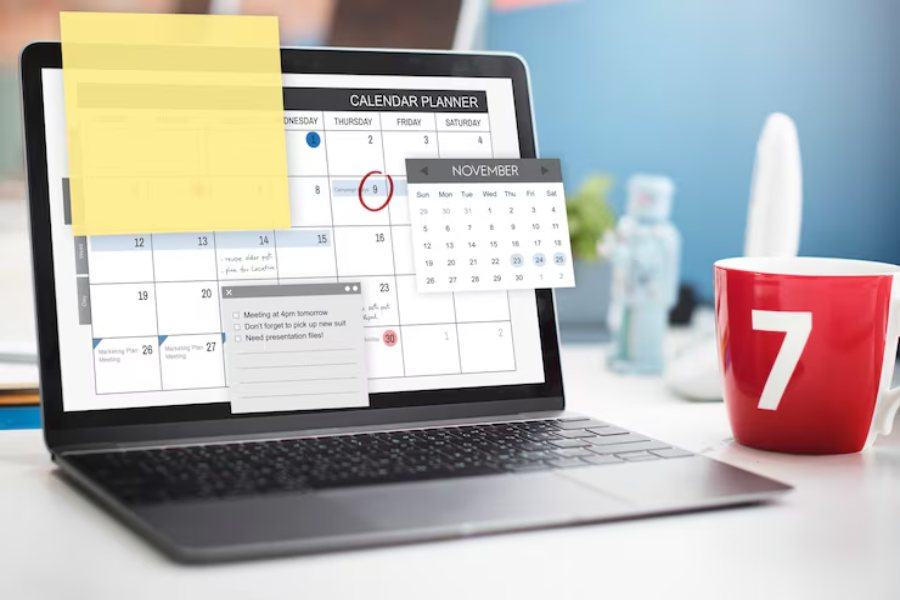
Timing is an effective element in marketing. It generates urgency and motivates action. The time-sensitive loyalty campaign utilises this concept to perfection. They can transform the routine of earning points into an event that is exciting. In the wrong way, it can result in confusion and wasted time and effort.
An effective campaign can increase the engagement of customers and increase sales. An unplanned campaign can damage confidence in your campaign. This article outlines the most effective strategies for success. It will help you strategically launch time sensitive loyalty campaigns. We will explore ways to build urgency which is effective.
The Foundation: Defining Your Campaign Goal
Each campaign must have a specific goal. Are you trying to get rid of old inventory? Do you have a celebration planned for the holiday of your choice? Your goals determine every option. Note this goal prior to planning any other actions.
Common objectives include increasing the sales of your quarterly period or renewing lapsed members. The other goal is to reward your most loyal customers. The goal you set is to keep your campaigns focused and precise. This is the most important initial step.
Practice 1: Strategic Calendar Alignment
Make sure your campaign is in line by incorporating natural rhythms. Make it a tie-in to the time of year, holiday or a brand’s anniversary. People are already expecting promotions at these periods. The campaign you run will be considered important, and not unrelated.
Avoid major conflicting dates. Don’t launch in the midst of a competitor’s big sales. Be sure to check the calendar for any similar industry-related activities. Strategic placement increases visibility and engagement. Planning is essential in order to launch time sensitive loyalty campaigns efficiently.
Practice 2: Crafting a Clear and Compelling Offer
The message must be simple to comprehend. The rules that require a lot of effort kill urgency. Utilize simple mechanics such as “Double Points” or “Spend $50, Get 500 Bonus Points.” The customer should be able to appreciate the benefits immediately.
The offer’s scarcity with clarity. Make use of phrases like “This weekend only” or “For the first 100 members.” The two elements of scarcity and simplicity are a good match. They encourage customers to take action without thinking about it too much.
Practice 3: Multi-Channel Promotion Planning
You shouldn’t depend on just one source. The campaign you are promoting requires a campaign. Create a plan for SMS, email or social media banner announcements on your site. Set these up to trigger an ebb and flow of urgency.
Coordination of all messaging to ensure consistency. The countdown as well as the offer need to be the same everywhere. The omnichannel strategy ensures that nobody misses out on the announcement. They are surrounded by one, powerful appeal to act.
Practice 4: Pre-Launch Technical Testing
An error in the system can ruin the short-term campaign. Make sure everything is tested prior to the date of launch. Examine point awarding logic and email triggers. Check that your website is able to handle the increased volume of visitors.
Check that the countdown timers function properly. Check that the links included in your advertising materials are working. This rigorous testing safeguards your brand’s image. It provides a pleasant journey for members who are eager to join.
Practice 5: Defining Clear Success Metrics
Be aware of how you’ll evaluate the performance prior to beginning. Select your performance key indicator (KPIs). This could refer to the new sign-ups to programs or points earned in the course of time.
In the end, you must keep track of incremental sales lift. Compare sales from the period to those from a comparable previous period. This information shows the actual effect on the business. This data provides actionable loyalty data insights for the future.
Practice 6: Segment-Specific Campaign Targeting
Be careful not to send the same message to everyone in your group. Utilize your data on customers to design targeted marketing campaigns. Start your unique “Win-Back” offer for lapsed members. Provide a new, more valuable incentive to VIPs who are at the top of your list.
This approach is personalized and increases the relevancy and convert rates. This ensures that the appropriate incentive is given to the correct audience. It increases the effectiveness of your campaign as well as satisfaction among members.
Practice 7: Implement a Phased Rollout or “Soft Launch”
If you are planning a major campaign, think about using a gradual approach. Start by introducing the campaign to a smaller targeted, high-engagement group. Check their reaction as well as the performance of the system throughout the day.
This lets you spot problems before you launch your full campaign. It is also possible to gather actionable loyalty data insights to modify the messaging. And then, launch the message to your whole public with complete conviction.
Practice 8: Integrate a Visible Countdown Mechanism
Visual urgency is crucial. Include a live countdown clock on your campaign website. Use it in your promotional email and SMS messages.
This clock’s ticking is a continuous, powerful warning of scarcity. The clock psychologically entices consumers to take action before the time runs out. This is a crucial tool in order to launch time sensitive loyalty campaigns.
Practice 9: Prepare Post-Campaign “Thank You” and “Last Chance” Messaging
Create your communication in advance of the time that the campaign is over. Send a quick thank-you note to everyone who participated. If you were not able to act, provide an appropriate “Last Chance” notice an hour before closing.
The campaign is concluded professionally. The participants are made to feel valued. Also, it captures the final surge of energy from those who are those who are procrastinators.
Practice 10: Allocate a Dedicated Support Resource
The urgency of time-sensitive promotions can cause customers to ask inquiries. Make sure your support staff is informed of the information and the dates. Make sure they have a specific FAQ to provide quick responses.
Fast, efficient support can reduce discontent. This helps ensure that customers are satisfied in a highly-demanding, critical time. This method protects the integrity of your brand reputation.
Practice 11: Schedule a “Cool-Down” Period
Don’t immediately begin another urgent campaign. Set aside a “cool-down” period of normal programme activities. This will prevent burnout among members and promotional fatigue.
This also allows you to clearly assess the effectiveness of your campaign. An additional offer could muddy the sales information. A well-planned pacing will preserve the exclusivity of your events that are time-sensitive.
Practice 12: Leverage Pre-Campaign “Teaser” Content
Create anticipation prior to the actual launch. Make use of social media and emails to promote the forthcoming promotion. Send out cryptic countdowns, or a preview of the rewards that could be offered without giving specifics.
This energizes your target public and increases enthusiasm. It makes sure that they pay attentively when your campaign launches. An effective teaser will significantly increase the engagement rate of your first impressions.
Practice 13: Design a Contingency Communication Plan
Be prepared for any unexpected problems. Create holdout message templates in the event there is a delay in the system. Develop a clear process to stop a campaign in the event that the rules fail.
The plan permits for smooth communication of issues. It is possible to notify members immediately of the slight delay. This transparency ensures that trust is maintained even in the event that plans fail.
Practice 14: Conduct a Post-Campaign “Voice of Customer” Survey
You can send a brief survey for participants once the event has ended. Find out what drove the participants to take action. Find out if the timeline seemed right. The qualitative feedback you receive is valuable.
It offers actionable loyalty data insights that can’t be derived from numbers on their own. The data reveals what is the “why” behind the behavior. This will directly influence the design of your subsequent campaign, resulting in more effective performance.
Practice 15: Establish a Clear Internal Command Center
Create a central inside dashboard and communication channel. The dashboard should be able to track the campaign’s performance in real time. This hub should also allow rapid group communication.
The command center makes sure that everyone is on the same page. Marketing, support as well as tech departments see identical data. Quick decisions are made when adjustments are required. It is crucial to coordinate to ensure a seamless sensitive loyalty campaigns.
Practice 16: Mandate a Post-Campaign Financial Reconciliation
When the campaign is over After the campaign is over, you must reconcile the costs. Estimate the amount of points earned and the rewards you have which were used. This cost is directly compared to the additional revenue that is generated.
This method provides a definitive ROI calculation. This transforms campaign outcomes in the marketing metrics into financial data. The discipline makes sure that each campaign is able to justify its spending. This creates vital loyalty data insights for the future.
Platform Deep Dive: Yotpo
Yotpo offers robust tools to run time-sensitive campaigns. The platform lets you easily schedule point-based rules that are complex. It allows you to set exact time frames for the start and ending of every offer.
Why does Yotpo Excels in Campaign Execution?
The strength of Yotpo is the ability to integrate data and actions. Its dashboard shows real-time campaign performance. It shows points awarded and redemptions occurring in real-time.
It provides instant actionable loyalty data insights. If you find that a promotion is not performing then you are able to adjust the campaign mid-flight. This is vital in short-term promotions. This allows you to launch time sensitive loyalty campaigns without trepidation and with complete control.
Conclusion
Campaigns that are time sensitive can be a very effective way to build loyalty. They generate excitement and stimulate the development of measurable behaviors. Successfully achieving this requires careful preparation and a clear set of objectives. Follow the schedule and make sure you promote on all channels.
Make sure you test your system carefully and establish metrics in advance. Make use of a platform such as Yotpo which provides real-time control and analysis. Review each campaign’s data to collect loyalty data insights.
The disciplined method ensures that every launch is a success. It helps your plan and strengthens relationships with your customers. Begin planning your next marketing campaign now. Make use of the effect of urgency to improve participation and grow.