Every search query entered into Google has a purpose. A user searching for a definition, a brand name, or a product recommendation is trying to achieve a specific goal. This hidden purpose is known as search intent.
Understanding search intent helps businesses create content that matches what users actually need. Instead of focusing only on keywords, successful SEO strategies focus on why people search and what type of solution they expect to find.
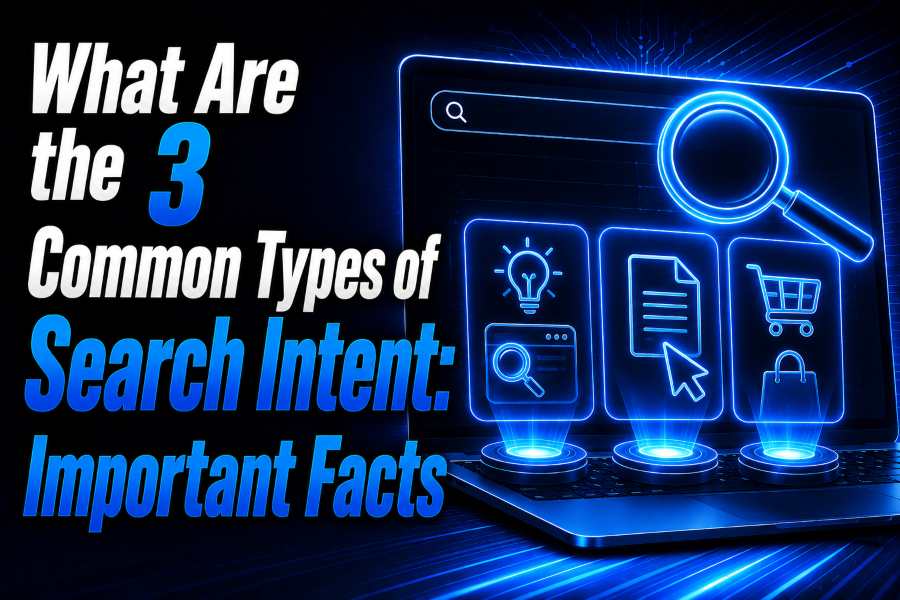
Many marketers ask what the 3 common types of search intent are because these categories explain most online searches. The three primary types are informational, navigational, and transactional intent.
Each type represents a different stage of the customer journey. Some visitors are looking for answers, some want to find a specific website, and others are ready to take action. By identifying these intentions, content creators can build better pages, improve rankings, and attract more qualified visitors.
This guide explains the three main types of search intent, how they work, how to identify them, and how businesses can optimize content to satisfy search engines and users.
What Are the 3 Common Types of Search Intent?
The three common types of search intent are informational, navigational, and transactional intent. Informational intent means users want to learn or find answers to questions. Navigational intent occurs when users search for a specific website, brand, or page. Transactional intent appears when users are ready to complete an action, such as purchasing a product or signing up for a service. Understanding these intents helps create SEO content that matches user expectations.
The Role of User Goals in Search Intent and Content Optimization
Search intent describes why a user searches. When someone types a keyword into Google, they are not only entering words; they are expressing a need, question, or goal.
For example:
- “How does email marketing work?” shows a desire to learn.
- “Mailchimp login” shows a desire to access a specific website.
- “Buy email marketing software” shows a desire to purchase.
Although search queries can vary widely, most fall into three major categories. Understanding what the 3 common types of search intent are allows SEO professionals to create pages that satisfy users and improve visibility.
Why Search Intent Is Important for SEO
Search engines aim to provide the most useful results for every query. Google no longer simply matches keywords; it evaluates whether a page fulfills the user’s purpose.
Content that matches search intent can improve:
- Organic rankings
- User engagement
- Click-through rates
- Conversion opportunities
- Website authority
For example, if a user searches “best accounting software,” they are likely comparing options. A basic educational article explaining “what is accounting software” may not satisfy them. A comparison page with features, pricing, and reviews would better match their intent.
Successful SEO requires understanding not only what people search for but also why they search.
The Three Main Types of Search Intent Explained
Understanding the different types of search intent helps businesses create content that matches what users actually want. Each intent represents a different stage of the customer journey, from learning to finding a brand to making a purchase decision.
1. Informational Search Intent: Users Looking for Answers
Informational intent occurs when users want knowledge, explanations, or solutions. These searches usually happen when people research a topic or try to solve a problem.
Examples include:
- What is search intent?
- How to improve website speed
- Why is SEO important?
- Benefits of remote work
These users are usually not ready to buy immediately. They gather information and build awareness.
How to Optimize for Informational Intent
Content targeting informational searches should educate and provide useful answers. Common formats include:
- Blog posts
- Step-by-step guides
- Tutorials
- Videos
- Research articles
- FAQs
For example, a software company may publish an article explaining how project management works before introducing its product.
Informational content helps businesses attract visitors early in the customer journey and build trust over time.
Common Informational Keywords
Informational searches often contain terms such as:
- How
- What
- Why
- Guide
- Tips
- Examples
- Benefits
These words indicate the user is seeking knowledge rather than making an immediate decision.
2. Navigational Search Intent: Users Searching for a Specific Destination
Navigational intent happens when users already know what website, brand, or platform they want to visit.
Instead of typing a complete URL, they use Google as a shortcut.
Examples include:
- Facebook login
- Canva homepage
- Amazon customer support
- HubSpot pricing
The user already has a specific destination in mind.
How to Optimize for Navigational Intent
Businesses should make sure their brand appears clearly for branded searches. Important steps include:
- Building strong brand recognition
- Optimizing brand-related keywords
- Creating accurate business information
- Maintaining proper indexing
- Improving website navigation
When someone searches for a company name, the official website should appear as the top result.
Navigational searches are especially valuable because they often represent existing customers, returning visitors, or users already familiar with a brand.
3. Transactional Search Intent: Users Ready to Take Action
Transactional intent occurs when users are close to completing an action. This action may include buying a product, subscribing to a service, downloading software, or requesting a quote.
Examples include:
- Buy wireless headphones
- Best CRM pricing
- Purchase website hosting
- Download accounting software
These searches indicate stronger commercial interest compared to informational queries.
How to Optimize for Transactional Intent
Transactional pages should remove doubts and make decisions easier.
Effective transactional pages usually include:
- Clear product information
- Pricing details
- Reviews and testimonials
- Benefits and features
- Strong calls to action
Common pages optimized for transactional intent include:
- Product pages
- Service pages
- Pricing pages
- Landing pages
- Checkout pages
A user searching with transactional intent is often ready to convert, so these pages should focus on trust and convenience.
How to Identify Search Intent Behind Keywords
Understanding keyword intent requires analyzing both the search phrase and Google’s results.
Analyze Search Engine Results Pages (SERPs)
Google’s first-page results provide clues about what type of content users expect.
For example:
- Blog articles usually indicate informational intent.
- Brand pages usually indicate navigational intent.
- Product pages usually indicate transactional intent.
If you are unsure about a keyword’s intent, search it on Google and study the ranking pages. Tools like ClickSyro can also help marketers analyze search patterns and better understand how users interact with search-driven content.
Look at Keyword Modifiers
Certain words reveal user goals.
Informational modifiers:
- How
- Why
- What
- Guide
- Tutorial
Transactional modifiers:
- Buy
- Price
- Discount
- Order
- Subscribe
Navigational modifiers:
- Login
- Official
- Website
- Support
These modifiers help marketers organize keywords into the correct content categories.
How Search Intent Improves Content Strategy
A strong content strategy is built around user needs. Instead of creating random articles, businesses can organize content by search stage. Tools like Converrter can also support content workflows by helping marketers prepare and optimize digital materials for different audience needs.
For example:
Awareness Stage
Users need information.
Best content:
- Educational blogs
- Guides
- Tutorials
Consideration Stage
Users compare solutions.
Best content:
- Reviews
- Comparisons
- Case studies
Decision Stage
Users are ready to act.
Best content:
- Product pages
- Pricing pages
- Demo pages
Understanding the 3 common types of search intent helps businesses create content for every stage of the buying journey.
Conclusion
Search intent is one of the most important concepts in modern SEO. The three main categories—informational, navigational, and transactional intent—explain why users search and what type of content they expect.
Informational searches focus on learning, navigational searches focus on finding specific destinations, and transactional searches focus on taking action.
By understanding user search behavior and intent categories, businesses can create more relevant content, improve rankings, and attract visitors who are more likely to engage or convert.
The best SEO strategies do not simply target keywords. They understand the purpose behind those keywords and deliver valuable solutions that match user expectations.
FAQ’s
What are the 3 common types of search intent?
The three common types of search intent are informational, navigational, and transactional intent. They represent users looking for information, specific websites, or actions such as purchases.
Why does search intent matter in SEO?
Search intent helps websites create content that matches user needs. This improves rankings, engagement, and conversion rates.
How can I find the search intent of a keyword?
You can identify search intent by analyzing Google search results, studying keyword modifiers, and reviewing the type of content ranking for that query.
Is transactional intent the same as buying intent?
Yes. Transactional intent refers to searches where users are ready to take action, including purchasing products or signing up for services.
Can one keyword have multiple search intents?
Yes. Some keywords have mixed intent. In these cases, analyzing search results helps determine which type of content Google prefers.
How does search intent affect content creation?
Search intent helps you choose the right content format. Informational keywords need educational content, while transactional keywords require pages designed for conversions.